 Jarred Seifert
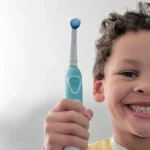
 You buy an electric toothbrush with good intentions, then it sits in the box for a week because no one in the house agrees on how to use it. A child says it feels weird. A parent worries it costs too much to keep replacing heads. Someone with sensitive gums tries it once, presses too hard, and decides the old brush was better. That kind of half-start is common, and it does not mean your family failed. It usually means no one showed you, like a general dentist in Waldorf, how to make the switch in a way that fits real life.
How family dentists help households transition from manual to electric toothbrushes comes down to guidance, not pressure. A general and family dentist can look at each person’s age, dexterity, gum health, braces, habits, and budget, then recommend the right brush style, the right brush head, and the right technique. The goal is not to force every person into the same routine. The goal is to make home care easier and more effective for the people actually living in your house.
Family dental care makes the switch to electric brushing easier
Most households do not struggle because electric toothbrushes are hard to find. They struggle because brushing habits are personal, and changing them affects everyone differently. A teenager with braces needs plaque control around wires. A younger child may need a smaller handle and a timer that turns brushing into a routine instead of a fight. An older adult with arthritis may brush better with a larger grip and less hand motion. A manual brush can still work well, but for many families, an electric model removes some of the guesswork.
The problem starts when people assume more power means better brushing. It often leads to scrubbing too hard, missing the gumline, or moving the brush like a manual one, which defeats the design. Sensitive teeth can feel more irritated at first. Kids can get distracted by the sound and vibration. If one family member has great results and another does not, the whole switch starts to feel overhyped and expensive.
A family dentist helps by narrowing the decision. Instead of twenty online reviews and a cart full of options, you get a recommendation based on what your household needs. If your child has a history of cavities, your dentist may suggest a brush with a two-minute timer and soft bristles. If you have gum recession, they may focus on pressure sensors and gentle technique. If an aging parent has trouble gripping a toothbrush, they may recommend an electric handle that does more of the work. That is where switching from manual to electric toothbrushes becomes manageable. It stops being a gadget purchase and becomes part of a care plan.
There is also the issue of expectations. Some people think an electric toothbrush fixes poor brushing overnight. It does not. It improves brushing when the user learns how to place it tooth by tooth, angle it toward the gumline, and let the brush do the motion. Dentists often demonstrate this in the chair, which matters more than people expect. A quick visual correction can prevent months of brushing the wrong way at home.
Reliable home care advice also matters because oral health needs change with age. The National Institute on Aging offers clear guidance on taking care of your teeth and mouth, including daily brushing, flossing, and watching for dry mouth or gum problems. For children, the American Academy of Pediatric Dentistry shares practical habits in its Healthy Smiles guidebook, which helps parents build routines that actually stick.
Electric toothbrush transitions work best when each family member gets a tailored plan
One brush type rarely fits an entire household. That is why family dentist guidance for electric toothbrush use is useful. A dentist can match the tool to the person instead of treating the whole family like one patient with one routine.
| Household Need | Manual Toothbrush | Electric Toothbrush | How a Family Dentist Helps |
|---|---|---|---|
| Young children learning to brush | Low cost, simple, but technique depends on parent supervision | Built-in timers and small heads can improve consistency | Recommends age-appropriate size, fluoride use, and parent assist |
| Braces or crowded teeth | Can work well, but plaque is easier to miss around brackets | Oscillating or sonic action may improve cleaning around appliances | Shows where plaque collects and how to angle the brush |
| Sensitive gums or gum recession | Works if pressure is controlled | Pressure sensors and soft modes can reduce overbrushing | Checks for trauma and adjusts technique or brush head choice |
| Adults with limited hand strength | Can be tiring and less precise | Requires less manual motion and often has easier grips | Suggests handle styles that support dexterity needs |
| Budget concerns | Lower upfront cost | Higher upfront cost plus replacement heads | Helps weigh long-term value against current oral health risks |
The financial side is real. A household may need several handles or replacement heads, and that adds up. Still, the cost should be weighed against what poor plaque control can lead to, especially in families already dealing with fillings, gingivitis, or orthodontic care. A dentist can help you decide whether one person in the home would benefit most first, rather than assuming everyone needs a device at once.
Simple steps help your household adopt better brushing habits
Start with one dental visit focused on home care. Ask your general and family dentist to look at each person’s brushing style, not just their teeth. This is where hidden problems show up, such as brushing too hard, skipping back molars, or not spending enough time near the gums.
Choose features based on needs, not marketing. Soft bristles, pressure sensors, smaller brush heads, and timers help more than flashy extras for most families. If a child hates noise or vibration, say that. If a parent has arthritis, say that too. The right fit matters more than the brand story.
Build a short practice period at home. Give the household two weeks to adjust. Keep the routine simple. Brush twice a day, use the timer, and avoid scrubbing. For children, mirror brushing with a parent often works better than repeated reminders from across the room.
Family dentists turn a product change into a lasting oral health routine
The move from a manual brush to an electric one sounds small, but at home it can affect budget, routines, cooperation, and confidence. That is why professional guidance helps. A family dentist can make the transition calmer, clearer, and more useful for each person in the house, whether the goal is fewer cavities, healthier gums, or just less struggle at the sink each morning.
If your household is trying to make this change, schedule a visit with a general and family dentist and ask for hands-on guidance with brush selection and technique. A few minutes of tailored advice can save a lot of frustration and help the new routine last.